
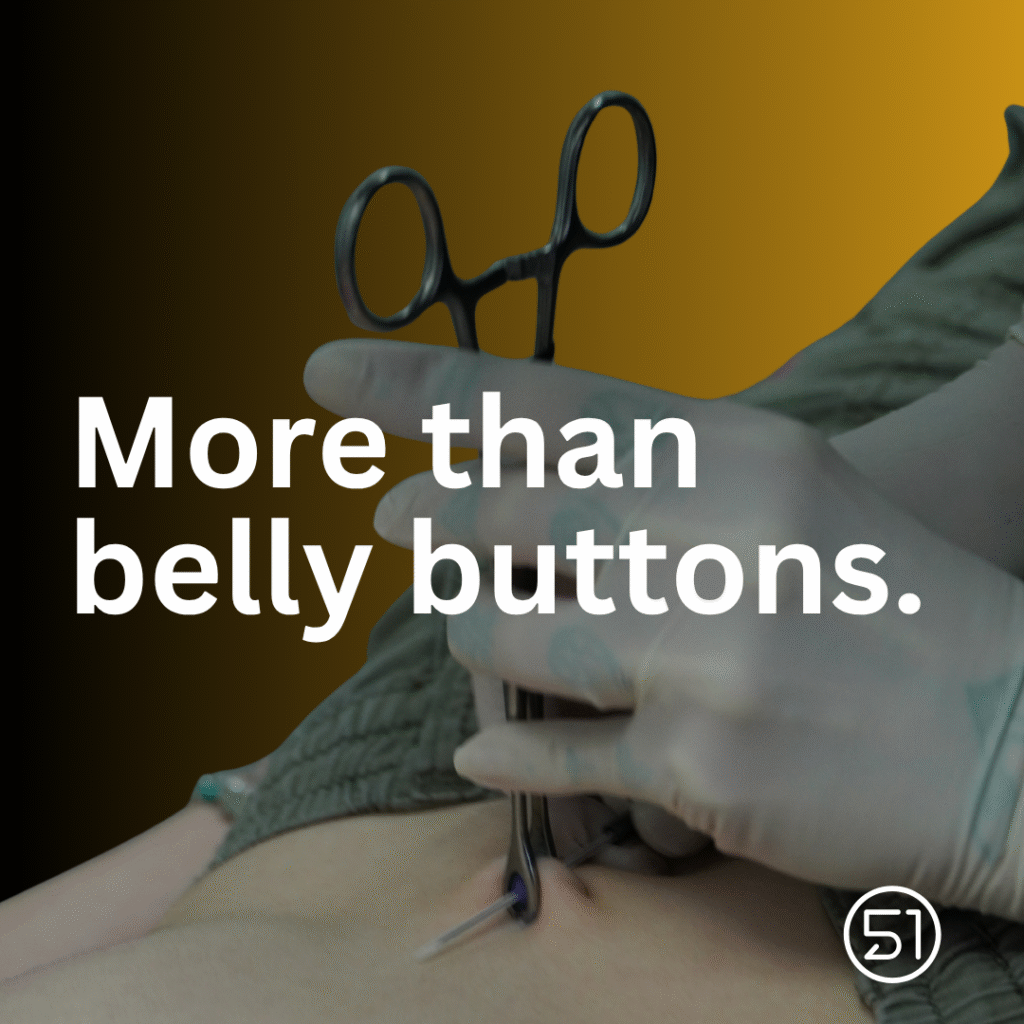
Body Piercings: The Bits You Can Pierce (And Some You Probably Didn't Know You Could)
Body piercings are one of the most popular ways to express individuality, style and confidence. From classic belly button piercings to more advanced surface and dermal piercings, there are countless options available for those looking beyond ear and facial piercings.
However, body piercings often involve different healing challenges, anatomy requirements and jewellery considerations than other types of piercings. Understanding these factors before your appointment can help you choose the right piercing and enjoy a smoother healing journey.
Before booking, we recommend reading our complete Piercing Care Guide to understand the healing process and aftercare requirements. You may also find our guide to the Most Painful Piercings Ranked useful when comparing different piercing options.
Key Takeaway
Body piercings offer far more variety than most people realise, from classic navel and nipple piercings to dermals, surface piercings and anatomy-specific placements. The right body piercing isn’t just about how it looks; it’s about choosing a placement that suits your anatomy, lifestyle and commitment to aftercare.
Some body piercings can take months to heal, proper jewellery, professional placement and a little patience can make all the difference.
Taking the time to understand healing times, pain levels and anatomy requirements will help you make a decision you’ll be happy with long after the piercing has healed. Whether you’re considering your first belly button piercing or exploring more advanced body modifications, we have the information to help you.
What Are Body Piercings?
Body piercings generally refer to piercings located below the neck and above the waist, although some definitions also include intimate piercings.
Popular body piercings include:
| Piercing Type | Location |
|---|---|
|
Navel |
Around the belly button |
|
Floating Navel |
Upper rim of the navel using specialised jewellery |
|
Nipple |
Through the nipple tissue |
|
Surface Piercing |
Flat areas of skin |
|
Dermal Anchor |
Single-point piercing anchored beneath the skin |
|
Male Intimate Piercings |
Various placements on male anatomy |
|
Female Intimate Piercings |
Various placements on female anatomy |
What Is a Navel Piercing?
The navel piercing, often called a belly button piercing, remains one of the most recognisable body piercings.
Traditionally, the piercing passes through the upper rim of the navel, allowing a curved barbell to sit comfortably above the belly button.
Not everyone has the anatomy required for a traditional navel piercing. A professional assessment is essential before proceeding.
Why Choose a Navel Piercing?
- One of the most popular body piercings
- Easy to conceal if required
- Huge range of jewellery options
- Suitable for many body types
- Can be highly decorative
What Is a Floating Navel Piercing?
A floating navel piercing is designed for people whose anatomy may not support a traditional navel piercing.
Instead of a decorative ball sitting inside the navel, specialised jewellery allows the piercing to sit more comfortably and reduce pressure during healing.
Many clients who are told they cannot have a traditional navel piercing may be suitable candidates for a floating navel instead.
What Is a Nipple Piercing?
Nipple piercings are one of the most common body piercings for both men and women.
Typically fitted with a straight barbell, nipple piercings can create a striking aesthetic while remaining discreet beneath clothing.
Contrary to many myths, professional nipple piercings are usually completed very quickly.
Why Choose a Nipple Piercing?
Nipple piercings are suitable for pretty much everyone! Just remember because nipples are constantly exposed to clothing friction, proper jewellery sizing and aftercare are particularly important.
Benefits:
- Suitable for many body types
- Wide jewellery selection
- Can increase confidence and body positivity
- Relatively straightforward healing when cared for correctly
What Are Surface Piercings?
Surface piercings sit beneath flat sections of skin rather than passing through protruding tissue.
Common locations include:
- Collarbones
- Nape of the neck
- Hips
- Chest
- Wrists
Surface piercings create a dramatic appearance but are generally more prone to migration and rejection than traditional piercings.
Not all areas of the body are suitable for surface piercings.
What Are Dermal Anchors?
Dermal anchors, sometimes called microdermals, differ from traditional piercings because they have a single visible jewellery attachment.
A small anchor sits beneath the skin while decorative tops remain visible above the surface. Dermals offer unique styling possibilities but require careful placement and maintenance.
Popular placements include:
- Collarbones
- Chest
- Face
- Hips
- Lower back
What Are Intimate Piercings?
Intimate piercings are specialised piercings performed on genital anatomy. While these piercings often generate curiosity, they should only be performed by experienced professionals with suitable training.
Both male and female intimate piercings require:
- Appropriate anatomy
- Professional consultation
- High-quality jewellery
- Strict aftercare
Which Body Piercings Hurt the Most?
Pain varies from person to person, but body piercings generally cover a wider range of pain levels than ear or facial piercings.
Many clients are surprised to discover that some body piercings are less painful than cartilage ear piercings.
The procedure itself is usually over in seconds, although healing can be a longer process.
For a complete comparison, see our guide to the Most Painful Piercings Ranked.
How Long Do Body Piercings Take to Heal?
Healing times vary considerably depending on placement and lifestyle. One of the biggest mistakes people make is assuming a piercing is healed because it looks healed on the outside.
Internal healing continues long after visible redness and swelling disappear.
Piercing Typical Healing Times:
Navel 3–6 months
Nipple 3–6 months
Surface Piercing 3–12 months
Dermal Anchor 2–6 months
Female Intimate Piercings 4–8 weeks
Male Intimate Piercings 4–8 weeks
Why Do Some Body Piercings Reject?
Rejection occurs when the body gradually pushes jewellery closer to the surface of the skin.
This is most seen with:
- Surface piercings
- Dermal anchors
- Poorly placed navel piercings
Signs of rejection may include:
- Increased visibility of jewellery beneath the skin
- Thinning tissue
- Persistent irritation
- Migration from the original placement
Early intervention from an experienced piercer can sometimes prevent complete rejection.
How Do You Choose the Right Body Piercing?
The best body piercing depends on three key factors.
Your Anatomy
Not every body is suitable for every piercing.
Navel piercings, dermals, and intimate piercings all require specific anatomy for successful long-term healing.
Your Lifestyle
Physical jobs, sports participation and clothing choices can all influence healing.
For example, tight waistbands may irritate a healing navel piercing, while contact sports may create challenges for nipple piercings.
Your Style Goals
Some people want a subtle piercing hidden beneath clothing. Others want decorative jewellery that becomes part of their overall look.
A consultation with an experienced piercer will help determine the best options for your anatomy and lifestyle.
What Jewellery Is Used for Body Piercings?
Different body piercings require different jewellery styles. High-quality titanium jewellery is often recommended for initial piercings because it is lightweight, durable and hypoallergenic.
Body Piercing Common Jewellery
Navel Curved barbell
Nipple Straight barbell
Surface Piercing Surface bar
Dermal Anchor Dermal top and anchor
Intimate Piercings Barbells and rings
Piercing healing times:
Eyebrow 6–8 weeks
Tongue 4–6 weeks
Labret 6–8 weeks
Monroe 6–8 weeks
Medusa 6–8 weeks
Septum 6–8 weeks
Nostril 3–6 months
Bridge 2–4 months
FAQs - About Facial Piercings
Which body piercing heals the fastest?
Many intimate piercings heal surprisingly quickly, often within four to eight weeks. Navel and nipple piercings usually take longer.
Which body piercing hurts the most?
Pain is subjective, but nipple piercings and some intimate piercings are often ranked among the more intense body piercings.
Can everyone get a belly button piercing?
No. Traditional navel piercings require suitable anatomy. A floating navel may be a better option for some people.
Are dermal anchors permanent?
Dermal anchors can last for many years but are not considered permanent. They may eventually migrate or be removed.
Why do surface piercings reject more often?
Surface piercings sit beneath flat skin, which naturally creates more pressure and movement than traditional piercing locations.
Ready to Plan Your Body Piercing?
Body piercings offer some of the most versatile and striking options available, from classic belly button piercings to advanced dermal work.
A great piercing isn’t about following trends. It’s about finding the right placement, the right jewellery and the right fit for you.
Book your piercing today and let’s create something worth showing off.
Facial piercing – learn more here.
Under 16s cannot get facial piercings without consent from a parent or guardian.
What Age Can You Get a Piercing?
My Child Wants Their Ears Pierced: What Should I Do?
Piercing Healing Times Explained
Piercing Gun vs Needle: Which Is Safer?